This post is based on my video published on January 13, 2026 and on Toronto regional real estate board data for December 2025. Market conditions and interest rates change, so confirm the latest numbers and talk to your lender before you make a decision.
Toronto's housing market just had a reality check. Prices dropped a little over 5% last year, sales were down nearly 9% and active listings jumped by almost 17%. Yet here is the twist: some neighbourhoods are quietly bouncing back while others are still in free fall. If you think now is not the time to buy, you may be missing the bigger picture. The real question is not whether you should buy. It is how to make the shifting market work for you.
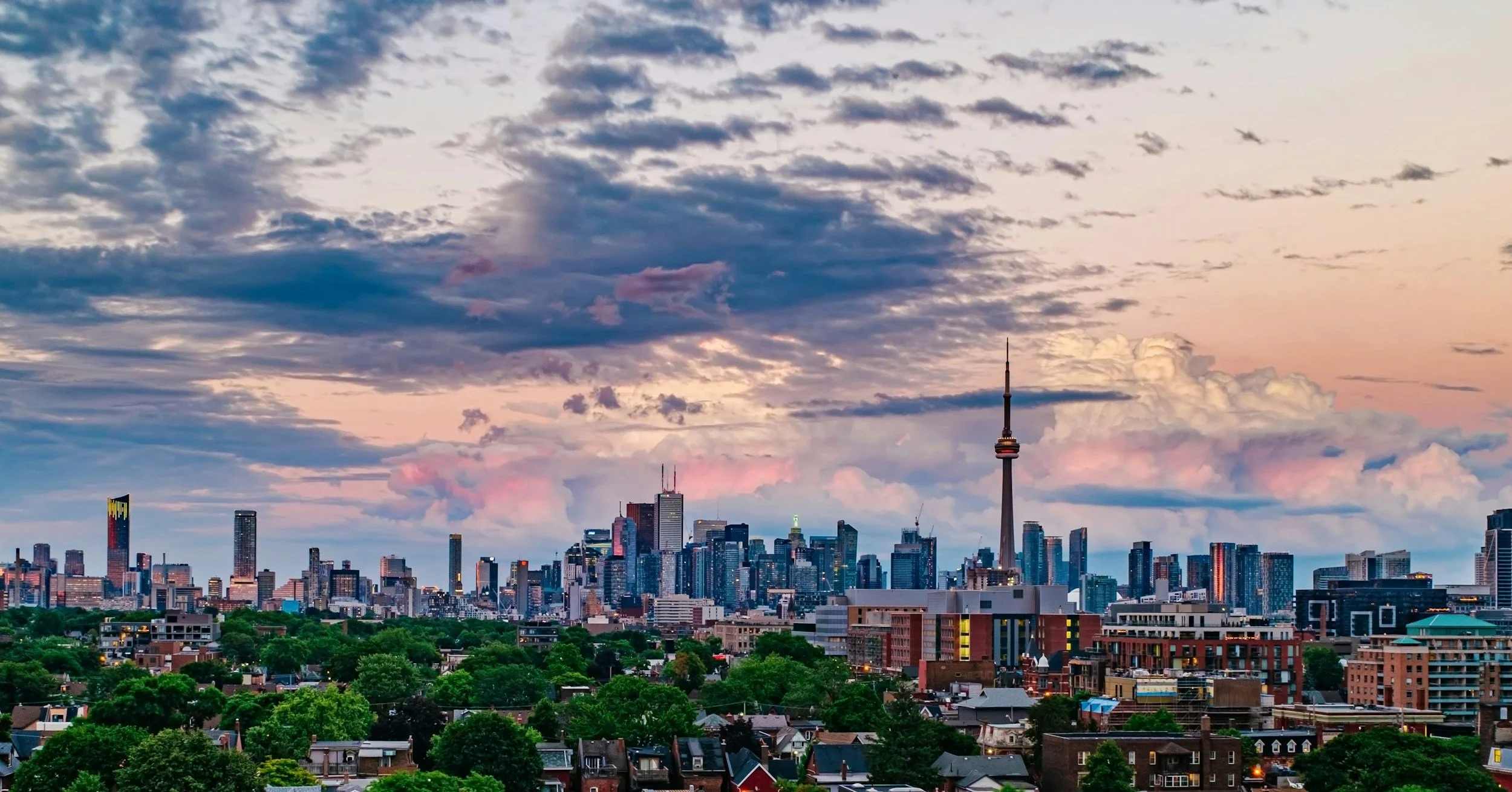
Toronto's real estate market is one of the most dynamic in the country, and right now it is quite volatile. Sales have slowed, inventory is up, and prices have dipped just over 5% over the past year, with the average home price sitting around $1.06 million as of December 2025. What that means is buyers have more choices, but sellers are facing a tougher market. Depending on the neighbourhood, you might see signs of recovery or continued softness.
So should you buy a home this year? The answer depends less on the market headlines and more on your personal situation. Let me walk you through who should hold off, and who should move forward.
Five reasons you might want to hold off on buying in Toronto in 2026
1. You will only live there for two or three years
Do not buy a home if you know you will only be in it for a short period, say two to three years. Short-term ownership in a shifting market like this one is risky. With average days on market rising to 65 days, selling quickly can be tough. Selling too soon after you buy can also eat into your own down payment, thanks to fluctuating prices, mortgage penalties, real estate commissions and legal fees.
If you plan to stay for at least seven years, buying now can make more sense. If your timeline is short, you may be better off staying put until the market stabilizes.
2. You are buying out of fear of missing out
Over the last few years a lot of buyers jumped in simply because everyone else was buying. Toronto's market is a reminder that buying because prices were rising, or because of hype, can backfire. Some people ended up with homes worth less than what they paid, and it took years to recover. Do not let the noise push you into buying before you are financially ready.
3. You are counting on rates to plummet
Many people are hoping for more Bank of Canada rate cuts to make mortgages cheaper. Rates might drop a bit, but they will not fall as low as we saw in 2020 or 2021. If you buy expecting rates to plummet and they do not, you could face a higher monthly payment than you planned and a home that is worth less because of market shifts. That double hit can be tough to handle.
4. You are being pressured to waive conditions
The frenzy of 2021 is long gone, but if you find yourself in a neighbourhood where every home has multiple offers and you are pressured to waive financing or inspection conditions, treat that as a red flag. Buying without conditions is only safe if you are prepared to pay cash or have guaranteed financing. Otherwise you risk losing your deposit or facing legal trouble, especially in a declining market.
5. You cannot truly afford it
The most important rule is to never buy a home you cannot truly afford. If you do not have at least six months of expenses set aside for emergencies, you could be in trouble if rates rise because of inflationary pressures such as tariffs, if your income changes or if unexpected repairs come up. Home ownership has a lot of hidden costs, and being financially stretched thin is a recipe for sleepless nights.
Who should be buying right now in Toronto?
The buyers who make the most sense today are those with clear life reasons to move. Think of a growing family that needs more space, someone starting a new job with a long commute, or people settling down for the long term, seven years or more. What they all have in common is two things:
They are financially qualified. The down payment is saved and the budget works.
They have employment or income security. Their income is stable enough to carry the payments through different rate scenarios.
If that sounds like you and owning makes more sense, then go for it. Do not try to time the market or wait for interest rates to drop. Buy when it is the right time for your personal situation.
If you are renting and your rent is about the same as the cost of owning, or your current place no longer fits and you are ready financially, buying can be a smart move in this market. You have lots of options to choose from, and you have time to put in conditional offers and complete your due diligence.
Do not let outside factors make the decision for you
Toronto's market is shifting, but it is not the only thing that should drive your decision. Headlines, social media and what your neighbours are doing are all noise. Your timeline, your finances and your reasons for moving are the signal. A calm conversation with a mortgage broker and an agent who knows your specific neighbourhood is worth more than any headline.
What this means for you
If you will be in the home for fewer than seven years, think twice before buying.
Do not buy out of fear of missing out, and do not wait for rates to plummet.
Keep your conditions for financing and inspection unless you can pay cash.
Hold at least six months of expenses in savings after your down payment and closing costs.
If you have a clear life reason, a long timeline and stable income, this market gives you time and choice.
Frequently asked questions
Should I buy a house in Toronto in 2026 or wait?
It depends more on your personal situation than on the headlines. If you plan to stay at least seven years, are financially qualified and have secure income, buying can make sense. If your timeline is short or your finances are stretched, waiting is usually the better call.
How much have Toronto home prices dropped?
The average price dipped just over 5% over the past year, to roughly $1.06 million as of December 2025. Sales were down nearly 9% and listings were up almost 17%, and results vary a lot by neighbourhood.
Will interest rates fall back to 2020 or 2021 levels?
Rates might drop a bit, but I do not expect them to fall as low as they did in 2020 or 2021. Buying on the expectation of sharply lower rates can leave you with a higher payment than planned.
Is it safe to waive conditions on a home purchase?
Only if you are prepared to pay cash or have guaranteed financing. Otherwise you risk losing your deposit or facing legal trouble, especially in a declining market.
How much should I have saved before buying?
Beyond your down payment and closing costs, keep at least six months of expenses set aside for emergencies, so rate increases, income changes or surprise repairs do not put you in trouble.
Book a free consultation
If you want help figuring out whether now is the right time for your situation, or help with your home selling or buying journey, I would be happy to talk. Book a free consultation using the contact page.