
This post is based on my video published on February 26, 2026 and on buyer showing feedback I have analyzed in the City of Toronto. Land transfer tax figures are approximate, so confirm the exact numbers with your lawyer.
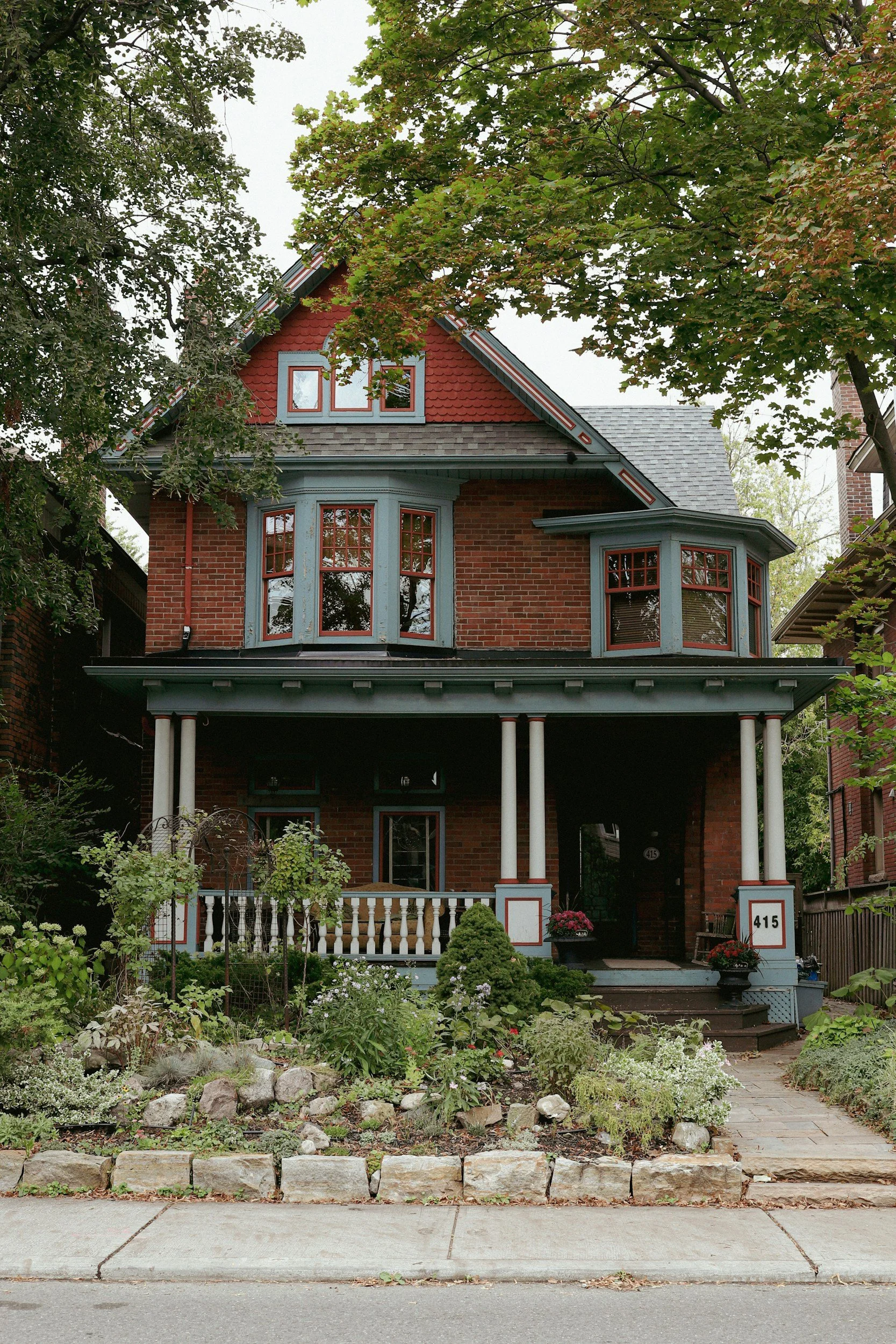
Two weeks ago I walked into a beautiful detached house. It had a $150,000 chef's kitchen, white oak floors and was staged to perfection. The sellers were convinced they would have a bidding war the following week. Fast forward 21 days and there were zero offers. Meanwhile, the fixer-upper three doors down with the 70s carpet sold in five days over asking. Why? Because the perfect house had one fatal flaw that the owners did not even see.
In this post I want to pull back the curtain on why Toronto buyers are ghosting your listing, using what I have learned from buyer showing feedback. I have been helping clients navigate Toronto real estate since 2015, and I have analyzed hundreds of buyer comments to understand why buyers love a house on paper but will not sign an agreement of purchase and sale once they are inside.
We are talking strictly about the City of Toronto. The market has shifted. We are not in the 2021 buy-anything-at-any-price frenzy anymore. Buyers are much, much pickier. They are dealing with the double land transfer tax that is unique to Toronto, which has gone up for properties of $3 million and above, and they have to clear the mortgage stress test, so every dollar has to count. If your house does not hit the mark, they move on to the next one in a heartbeat.
10 reasons your house is not getting offers
1. Location and Toronto nuisances
The number one reason is location, specifically Toronto nuisances. It is not just being on a busy street. It is backing onto train tracks, or having a hoarder house on an otherwise pristine block. If you are near a construction site for the Ontario Line that will last many years, you have to take that into account when pricing your house.
2. The MLS versus reality gap
Toronto agents are masters of wide-angle lenses, but when a buyer walks in and realizes they cannot fit a queen bed and a nightstand in the bedroom, they feel misled. If the visual impact does not match the description, they will walk away. I have seen many houses where the photos project a large space when in reality it is anything but.
3. The floor plan struggle
We love our old homes, but a narrow 14 foot wide house with the kitchen at the back that feels like a bowling alley is a hard sell in 2026. If your layout is quirky, such as having to walk through a bedroom to get to the bathroom, you are narrowing your buyer pool.
4. Multi-level homes with too many stairs
In townhouses and narrow stacked builds we see three or four levels of stairs. For a Toronto family with young kids, or a senior looking to downsize, those stairs are a non-starter. You cannot fix the stairs, so you have to fix the price.
5. Backyard privacy
In this city your backyard is often only a few feet from a neighbour's window. If a buyer feels like they are in a fishbowl while they imagine barbecuing or having friends over in the summer, they will not offer. One thing you can do is put up a privacy screen, which can save a $1.5 million sale.
6. Price versus original condition
Buyers are turnkey obsessed right now. If your kitchen has not been touched since the 1990s but you are asking fully renovated prices, you are just helping your neighbour sell their house, because your home becomes the comparable buyers use to negotiate the listing next door. You do not have to renovate, but you must price for the buyer's renovation.
7. Square footage misalignment
If the floor plan makes the house feel small and non-functional, buyers move on. Stairs that turn 90 degrees and split the living and dining room are a turn-off. You cannot fix that, so you have to price for it.
8. The conditional trap
Many buyers need to sell their current home in order to buy yours. In a slower market, sellers are refusing conditional-on-sale offers, which is understandable, but it creates a stalemate. Understanding where your buyer is in their journey is key. Working with a long closing, such as 120 days or even longer, is often a better option than accepting a condition on the sale of the buyer's home.
9. Financing and the double land transfer tax
Let's talk real numbers. On a $1.5 million home in this city you are looking at roughly $53,000 in land transfer taxes alone. In a slower market, that extra Toronto tax makes buyers hesitant. If they cannot see the value, they cannot justify the closing cost. When the house needs renovation, buyers also have to add their renovation budget on top of closing costs.
10. Comparison fatigue
Buyers in this city see lots of houses before making a decision. There are choices on the marketplace. They have a checklist, and your house needs to check at least eight out of ten boxes for them to move forward.
How to fix it: four things to do if you are selling
Audit your nuisances. Go through the ten items above and address what can be fixed. Some items, like stairs that turn 90 degrees into the living room, cannot be changed.
Be creative. Do not hide the small bedroom. Stage it as a home office or nursery.
Put on your buyer's shoes. You will probably be a buyer once you sell. What would you offer on your own house if you had this many choices?
Price aggressively. Statistics show that the longer a house sits on the market, the lower the final price will be, because you end up chasing the market down. Selling in the first 30 days gets you the closest sale price to your list price. As time drags on to 60, 90 or 120 days or longer, your sale price will be lower.
What this means for you
Buyers compare many homes, so your house has to stand out against the whole pocket, not just your street.
What you cannot fix, price for, whether that is stairs, layout or a nuisance nearby.
Do not price a dated home as if it were renovated, or it becomes a comparable that helps the neighbours.
Consider a long closing instead of a conditional-on-sale offer.
The first 30 days are your best window to get close to your list price.
Frequently asked questions
Why is my Toronto house not getting offers?
The most common reasons are price, location nuisances, layout and stairs, backyard privacy, a gap between the photos and reality, and buyers who are comparing many options. Buyer showing feedback usually points to the specific flaw.
Should I accept a conditional-on-sale offer?
In a slower market many sellers refuse them. A long closing of 120 days or more can be a better option, because it gives the buyer time to sell without making your sale conditional.
How much is land transfer tax on a $1.5 million home in Toronto?
Roughly $53,000 when you combine the Ontario and City of Toronto taxes. Your lawyer can confirm the exact amount.
Should I renovate before I sell?
You do not have to, but you must price for the buyer's renovation. A dated home priced like a renovated home usually sits and becomes a comparable for neighbouring listings.
How quickly should a Toronto house sell?
The first 30 days give you the closest result to your list price. The longer a home sits, at 60, 90 or 120 days, the lower the final sale price tends to be.
Book a free consultation
If you want to see the trend in your specific neighbourhood and are thinking about making a move, I would be happy to set up a 15-minute strategy call. Book a free consultation using the contact page.