
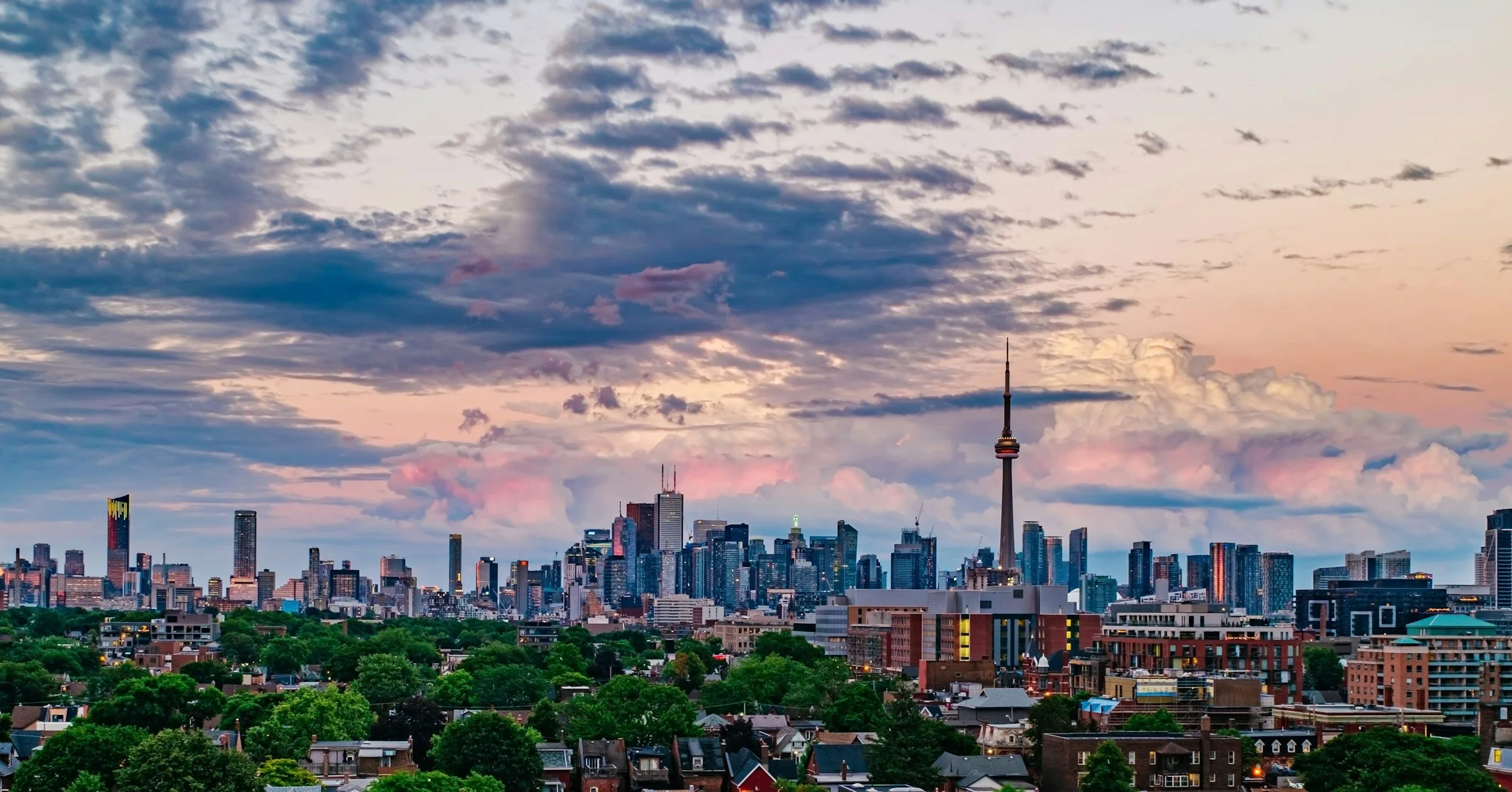
This post is based on my video published on April 9, 2026 and on the March 2026 statistics for the City of Toronto. Numbers are rounded and I am talking about the 416 only, not the broader GTA. Market conditions change quickly, so check current figures before you decide.
Waiting for a crash may be the most expensive decision you are making right now. You are looking at the sticker price, but you may be missing the mathematical gap that is quietly closing under our feet in the City of Toronto. Everyone is talking about high gas prices, trade uncertainty and geopolitics. While those are real, they are creating a smoke screen. While you wait for the perfect moment, inventory in the 416 is shrinking faster than demand is dropping.
If you are losing sleep over whether to jump in or stay on the sidelines, this post is about what the numbers actually say, not what the headlines want you to believe. And I will give you the real test for whether you should buy a house this year or hold off.
What the March 2026 data says
I want to be very specific here. I am talking about the City of Toronto, the 416, not the broader GTA. If you are looking in Peel or York Region, the story is different.
Sales in the City of Toronto were flat. That does not sound like much, but when you consider that new listings plummeted by nearly 17%, you start to see the problem. We have fewer people selling while demand is steady for now. The spring market, where we all expected a flood of new listings, has turned into more of a drought.
The average selling price in Toronto was sitting at around $1.02 million. Prices were down about 6% to 10% from the same time last year, depending on whether it was a semi-detached, a detached house or a condo. On paper that is a decline. In reality it means substantial negotiating power and leverage for buyers.
The bottom is only visible in the rear-view mirror
Most people wait for prices to hit the absolute bottom. Here is the secret. The bottom is only visible in the rear-view mirror. If you wait for the news to announce that Toronto real estate is booming, you have already lost your leverage. Right now we are in balanced market territory.
The gap is the difference between what a house is worth today, with no competition, and what it will be worth in the future when buyers come back to the market. According to a poll commissioned by the Toronto regional real estate board and Ipsos, there are approximately 100,000 buyers sitting on the sidelines. If your situation allows and you buy now, you are competing against the seller. If you wait until buyers jump back in, you will be in multiple offers competing against other buyers. We are already seeing multiple offers on semi-detached and detached properties in specific areas of the city within certain price ranges.
What about condos?
If you are looking at condos in the city, listen closely. The average condo price in Toronto is now around $648,000, which is down nearly 10% year over year. For the first time in a very long time we are seeing attainability. The math of ownership is starting to come back, gradually, for first-time buyers looking to buy their first home in the city.
Your fears are valid, but fit matters more than headlines
I know what is keeping you up at night. What if I lose my job? What if geopolitical events push gas prices well over $2 per litre and inflation comes roaring back? Those are valid fears. But here is the reality. You do not buy a home based on the news cycle. You buy based on being fit. I am not talking about physical fitness. These are the three factors that tell you whether you should or should not buy a house in this city.
Financial qualification. Do you have the down payment and the financial means to sustain your lifestyle in the new house?
Income stability. Do you have stable and predictable employment or income moving forward?
Time horizon. Can you commit to this home for at least seven years? Real estate is a slow-motion asset. It is not crypto. If you try to sell in 18 months, you will likely lose.
The bonus: the sleep test
The bonus factor is what I call the sleep test. Can you afford the payment today without needing a refinance to save you? Never buy a house today based on a promise of lower interest rates tomorrow. If the payment works at 4.5%, buy it. If you need it to be 3% just to get by, then stay on the sidelines.
The power to say no is back
Because the market is balanced, you have something we have not had since 2020, which is the power to say no. Home inspections are back. Financing conditions are back. Due diligence is back. Price reductions are possible. You can actually walk through a house, look at the furnace, check the roof and ask the seller for a $10,000 price adjustment. A few years ago, if you asked for an inspection, the seller would not entertain your offer. Today, sellers are listening.
That is the hidden discount. It is not just the lower price. It is the lack of competition that allows you to buy a better quality asset.
So should you buy in 2026 or wait?
If you are fit, meaning you pass the financial, income and seven-plus-year time horizon tests, waiting is costing you. The detached and semi-detached markets are shifting. But if you are doing it out of fear of missing out, or you are stretched to the breaking point, wait. Just wait with a plan:
Improve your credit score.
Build your cash reserves.
Study the City of Toronto statistics, not the national headlines.
What this means for you
Fewer new listings and steady sales mean the window of low competition may not last.
The bottom is only obvious in hindsight, so do not build your plan around catching it.
Buy only if you pass the fit test: finances, income stability and a seven-year horizon.
Use the return of inspections and financing conditions to protect yourself.
If you need to wait, use the time to prepare rather than just watching headlines.
Frequently asked questions
Should I wait for Toronto real estate to crash before buying?
Waiting for a crash can be expensive. The bottom is only visible in hindsight, and when buyers return, you may face multiple offers and no conditions instead of today's leverage.
How many buyers are on the sidelines in Toronto?
A poll commissioned by the Toronto regional real estate board and Ipsos pointed to approximately 100,000 buyers waiting on the sidelines.
What is the sleep test?
It asks whether you can comfortably afford the payment today without needing to refinance later. If the payment works at 4.5%, buy it. If you need 3% to make it work, stay on the sidelines.
How long should I plan to stay in a house I buy?
At least seven years. Real estate is a slow-motion asset, and selling within 18 months will likely lose you money after closing costs.
What if I am not ready to buy this year?
Wait with a plan. Improve your credit score, build your reserves and follow City of Toronto statistics rather than national headlines.
Book a free consultation
If you want to see the specific math for your neighbourhood, I would be happy to help. Book a free consultation using the contact page.