
This post is based on my video published on January 24, 2026. Mortgage penalties, rates and tax rules vary by lender and change over time, so confirm your own numbers with your lender and lawyer.
Most people moving up in Toronto right now are making the same costly mistakes, and it can quietly cost them hundreds of thousands of dollars. Prices just dropped again, but inventory is flooding the market, which means the rules are changing fast. If you do not know when and how to act, you can end up paying more, waiting longer or losing out completely. This is not just about buying a bigger home. It is about navigating a market that is quietly slipping away from many buyers.
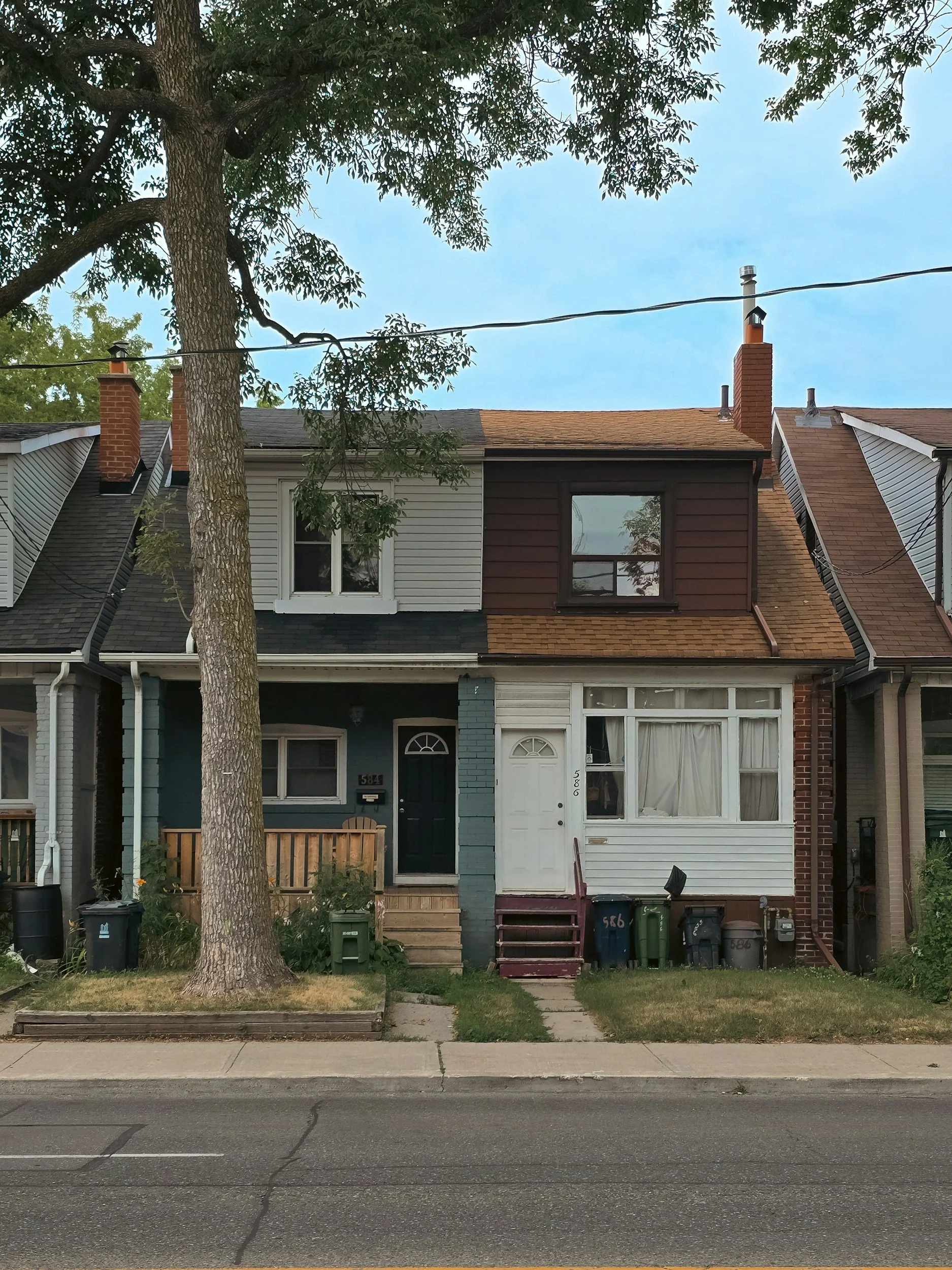
Maybe you are in your current Toronto home and it is not working for you anymore. The family is growing, you are working from home and need more space, or you simply want something nicer. In some cases you might even be thinking about keeping your current home as a rental and buying another one. If that sounds like you, this guide is for you.
In the City of Toronto, detached house prices dropped roughly 5% in 2025 and semi-detached prices about 3% over the same period. Across the GTA, prices were down about 5% while inventory was up nearly 17% compared with the previous year. That combination is an opportunity to save a lot of money, but move-up buyers rarely get the guidance they need. Here are the biggest mistakes I see around deposits, qualification and timing, and how to avoid them.
Step 1: understand your real equity
Equity is the difference between what your home can realistically sell for and all the debts secured against it. That includes your mortgage, any home equity line of credit and any other liens on the property. Here is a simple example with round numbers:
Your Toronto home could sell for $1,000,000.
You owe $500,000 on your mortgage.
You have a $100,000 line of credit secured against the home.
That leaves $400,000 of equity on paper.
That is not your usable equity, because there are real-world costs most people ignore:
Selling costs: commission if you work with a realtor, plus staging, repairs and legal fees.
Mortgage penalties: a fixed mortgage broken early can trigger a hefty interest rate differential penalty. On a variable mortgage the penalty is typically three months of interest regardless of the remaining term. Ask your lender for an actual penalty figure rather than guessing.
Discharge fees and legal fees.
Unsecured debts: paying off lines of credit, credit cards and car loans can improve your qualification for the next purchase.
Once these are accounted for, that $400,000 might shrink closer to $300,000. That is the number that truly matters.
Closing costs on the next purchase
On a $1.2 million home, the Ontario and City of Toronto land transfer taxes together are roughly $40,000. Add legal fees, title insurance, an appraisal, a home inspection and adjustments. Keep liquid cash outside your down payment for these costs. Also keep in mind that as of April 1, 2026, Toronto homes over $3 million are subject to higher land transfer taxes.
Step 2: avoid the deposit trap
This is one of the biggest mistakes move-up buyers make. Your deposit is usually due within 24 hours of an accepted offer. If your deposit funds are tied up in investments, or your current home's sale proceeds are not yet available, you need to plan ahead. Make sure you have at least 5% of the purchase price available in cash, or through a line of credit, until you liquidate those investments. Have the deposit ready before you need it.
Step 3: get a proper mortgage prequalification
A proper prequalification looks at mortgage penalties, debt service ratios and full underwriting of your income versus your debts, not just a rate hold.
If you want to keep your current home as a rental
Here is how it works. Say your property is worth $1,000,000 and you owe $500,000. You can usually borrow up to 80% of the property value, so about $300,000 more could be available for your new down payment. You can do that through a refinance or a secured line of credit, but you have to arrange it before you start house hunting. Remember that the additional debt will affect your qualification for the new purchase.
Step 4: choose your sequence of operations
Once your finances and liquid capital are sorted, you have two options:
Sell first, then buy. In today's market this is the prudent approach, ideally with a long closing of 90 to 120 days. While you prepare your current house for sale, the search for the new home continues, and it takes time to find the right property for a growing family.
Buy first, then sell. This works if you are well capitalized and your current home is in a desirable neighbourhood with low supply in an attractive price range.
Here is an example of buying first. I had clients who outgrew their house and wanted a specific pocket for their kids' high school and quick access to transit. They bought with a long closing date, and during the search period we got their current house ready for sale. Their home in Riverdale, a very desirable neighbourhood for move-up buyers coming out of the condo space, was in the right price range for the target market. It was listed quickly after they bought and sold in a few days with multiple preemptive offers.
The first strategy, selling then buying, is safer. Every situation is unique, though, so build the plan around your own numbers.
Timing the market versus the monthly payment
When it comes to timing, look at more than the property price. Look at the ongoing cost. Consider a $1,000,000 property bought in 2022 with 20% down and a 2% mortgage rate. The monthly mortgage payment is about $3,388. If the same house dropped 20% to $800,000 today, with 20% down and a mortgage rate of 4.15%, the payment would be about $3,419 per month. That is a difference of only about $31 a month.
What matters most for timing is buying a property you intend to live in for at least seven years. The current market is well suited for move-up buyers who have outgrown their homes, because of the high supply and lower purchase prices. You may save thousands in down payment and closing costs.
What this means for you
Calculate your usable equity after commissions, penalties, discharge fees and legal costs, not just the paper number.
Have at least 5% of the purchase price accessible within 24 hours of an accepted offer.
Get a full prequalification before you start searching, and arrange any refinance first if you plan to keep your home as a rental.
In today's market, selling first with a 90 to 120 day closing is usually the safer sequence.
Plan to stay at least seven years, because that matters more than trying to time the bottom.
Frequently asked questions
Should I sell first or buy first in Toronto?
In today's market, selling first with a long closing of 90 to 120 days is generally the safer approach. Buying first works when you are well capitalized and your current home is in a desirable, low-supply neighbourhood.
How much equity can I actually use?
Less than the paper number. Selling costs, mortgage penalties, discharge and legal fees reduce it. In my example, $400,000 on paper shrinks closer to $300,000.
How much deposit do I need and when?
The deposit is usually due within 24 hours of an accepted offer. Have at least 5% of the purchase price available in cash or through a line of credit.
Can I keep my current home as a rental when I move up?
Often yes. You can usually borrow up to 80% of the property value, which can fund your next down payment, but arrange the refinance or line of credit before you start house hunting, because the added debt affects your qualification.
Is it a good time to move up in Toronto?
Higher supply and lower purchase prices favour move-up buyers who plan to stay at least seven years. In my example, the monthly payment difference between a 2022 purchase and today's lower price at higher rates was only about $31.
Book a free consultation
If you want a personalized breakdown, or a plan tailored to selling your current home and buying your next one, I would be happy to help. Book a free consultation using the contact page.